Debunking Myths & Expectations in Software Engineering

As a fellow Software Engineering professional, I've seen firsthand the myths and how different the reality of our job is from what most people imagine. It's why I'm passionate about sharing what I've learned, especially for those who are looking to catch up careeres in this industry, navigating this dynamic landscape.
In this note, I want to normalize what it truly means to be a Software Engineer. Forget the fabricated stories you see online; let's break down the reality using a clear, comprehensive approach.
What Software Engineers Actually Do? (Beyond Just Coding)
When most people picture a software engineer, they imagine someone hunched over a keyboard, writing lines of code all day. I certainly started that way! But as my career evolved, I realized how incomplete that picture is.
A. The Coding Myth: It's just a Small Piece of a Big Puzzle
This might surprise you, but direct coding often constitutes a smaller portion of a software engineer's time than you'd think. Recent industry studies suggest that developers, on average, spend anywhere from 9% to around 60% of their time actually coding. For senior engineers, or those in leadership roles, that number can drop significantly – sometimes to as little as an hour a week of direct coding.
B. The Expansive Reality: Beyond the Keyboard
So, if we're not constantly coding, what are we doing? Our days are incredibly diverse and intellectually stimulating:
- Problem Solving & Design (The "Why" and "How"): This is, arguably, the most critical aspect. Before a single line of code is written, we're deeply involved in understanding complex business problems, breaking them down into manageable pieces, and designing robust, scalable solutions. This requires analytical thinking, deep logical reasoning, and a constant flow of questions to clarify requirements and anticipate challenges.
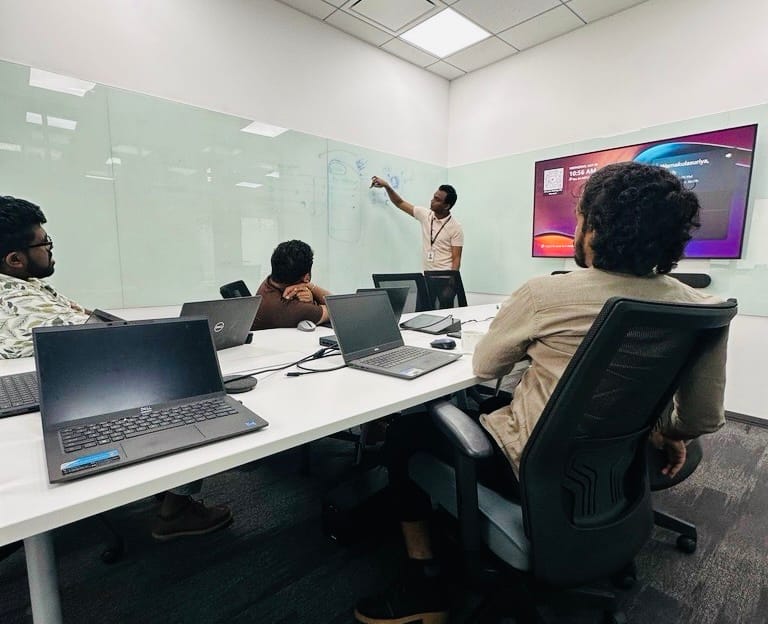
- Collaboration & Communication (The Team Sport): Software development is a team sport. I spend a significant portion of my week collaborating with product managers, UX designers, QA engineers, fellow developers, and even business stakeholders. Effectively communicating technical concepts to non-technical audiences, and translating business needs into actionable technical specifications, can easily consume up to 45% of a developer's time. Think about daily stand-ups, sprint planning, retrospective meetings, and countless discussions over architecture or user stories.
- Debugging & Maintenance (The Unsung Heroics): A substantial, often unglamorous, but absolutely vital part of the job is debugging existing systems, fixing bugs, and refactoring legacy code. It's not always about building shiny new features; it's about ensuring stability, performance, and maintainability of what already exists.
- Team Leadership & Mentorship (The Multiplier Effect): As I progressed from an individual contributor to leading development teams, my focus shifted. While I still dive into code, my primary responsibility now is to shape architectural decisions, mentor junior engineers, foster a positive team culture, manage technical debt, and ensure the team's overall velocity. My impact is no longer just my own lines of code, but how effectively I enable my entire team to deliver.
Debunking the Silicon Valley Dream (A Realistic Look at Rewards)
Another widespread myth, particularly alluring from places like Sri Lanka, is the notion of instant, sky-high salaries and endless perks akin to Silicon Valley giants. While the tech industry is indeed lucrative, it's crucial to set realistic expectations.
A. Compensation: Highly Competitive, Highly Variable
Yes, software engineers are generally well-compensated professionals, and the field offers significant earning potential. Globally, in the U.S., the median annual wage for software developers was over $124,000 in 2023, with top performers earning well over $200,000 annually.
However, here in Sri Lanka, the landscape, while growing rapidly, presents a different scale. The average salary for a Software Engineer in Sri Lanka in 2025 is around LKR 1,060,525 per year. For an entry-level engineer with less than a year's experience, you might start around LKR 893,964 annually. But with 4+ years of experience, and depending on the company and your specialized skills, you could expect a monthly income ranging from LKR 300,000 to LKR 700,000, which translates to LKR 3.6 to 8.4 million annually in well-reputed companies. This shows a clear progression, not an overnight lottery win.
B. Perks: Beyond the Surface-Level Glamour
The fancy offices, free meals, and game rooms are real at some companies, but they are perks, not the fundamental drivers of a fulfilling career. I've learned that focusing on what truly matters for long-term satisfaction is key:
- Meaningful Work: Is the work challenging? Are you solving interesting problems that genuinely impact users or the business? This intellectual engagement is often more rewarding than any number of free snacks.
- Growth Opportunities: The tech industry is a dynamic environment. The global tech industry is projected to grow by 5.6% in 2025, with software alone seeing a 10.5% growth. This means immense opportunities for skill development and career advancement. Look for companies that invest in your learning and offer clear career paths.
- Culture & Team: Do you feel a sense of belonging? Do you respect your colleagues and managers? A supportive and collaborative team environment is invaluable.
- Work-Life Balance: This is paramount. The allure of a high salary shouldn't overshadow the need for a sustainable work-life balance. As a lead, I actively champion healthy boundaries because I know that burnout leads to decreased productivity and higher attrition.
The Collaborative Journey (Why "Lone Genius" is Outdated)
The final myth I want to shatter is that software engineering is a solitary pursuit for isolated geniuses. This idea might appeal to some, but it's fundamentally flawed in today's interconnected development world.

A. Teamwork: The Cornerstone of Modern Development
Modern software is almost never built by a single individual. We operate in highly collaborative environments where synergy is key:
- Interdependence: You'll be an integral part of a team, working towards shared objectives. You'll rely on your teammates' diverse expertise, and they'll rely on yours. Practices like pair programming, rigorous code reviews, and daily stand-ups are central to how we deliver high-quality software.
- Continuous Learning and Adaptation: The pace of technological change is relentless. What's cutting-edge today can become obsolete tomorrow. The U.S. Bureau of Labor Statistics projects a 25% job growth for software developers from 2022 to 2032, driven by emerging fields like AI, IoT, and cybersecurity. This means you're not expected to know everything, but rather to be a perpetual, agile learner, constantly adapting to new tools and methodologies. My own career has been a testament to this, from adopting new cloud architectures to mastering modern CI/CD pipelines.
- Embracing Iteration and Failure: Software development is an iterative process. It's rarely about writing perfect code on the first attempt. It's about building, testing, finding bugs, learning from mistakes, and continuously refining. Failure, when viewed as a learning opportunity, becomes a crucial stepping stone to better, more robust solutions.
B. The Critical Role of Soft Skills
In this highly collaborative and ever-evolving environment, soft skills are just as, if not more, crucial than technical prowess. Communication, empathy, resilience, and an insatiable curiosity are vital. From my perspective as a technical lead, I've observed that a lack of these "people skills" can be a significant roadblock, even for the most technically gifted engineers.
The True Rewards & How to Thrive (My Persuasive Take)
So, if software engineering isn't just coding, doesn't guarantee instant wealth, and isn't a solo genius quest, why is it such an incredibly rewarding career for me, and for so many others?
The reality is that it's a deeply fulfilling profession for those who:
- Love to Solve Complex Problems: You're invigorated by intellectual challenges and the process of breaking down intricate issues.
- Embrace Continuous Learning: The ever-evolving tech landscape excites you, rather than intimidates you.
- Thrive in Collaboration: You understand that collective intelligence builds stronger solutions.
- Are Resilient and Adaptable: You can navigate setbacks and embrace change as an opportunity.
- Seek Tangible Impact: Your work directly shapes products and services that impact millions of lives. Here in Sri Lanka, our IT industry itself has grown significantly, with revenues increasing from approximately US$750 million a decade ago to between $1.5 to $2 billion today. This illustrates the substantial and growing impact you can make right here.
It's a demanding field, no doubt, but for those with the right mindset, it offers unparalleled opportunities for personal growth, innovation, and genuine career satisfaction.
I hope this comprehensive breakdown gives you a clearer, more realistic picture of what software engineering truly entails. This is just the beginning of our conversation. In future posts, we'll dive deeper into specific technical challenges, effective team management strategies, and how to navigate the newest trends in our industry.
What's the biggest myth you believed about software engineering before reading this? Share your thoughts in the comments section below!